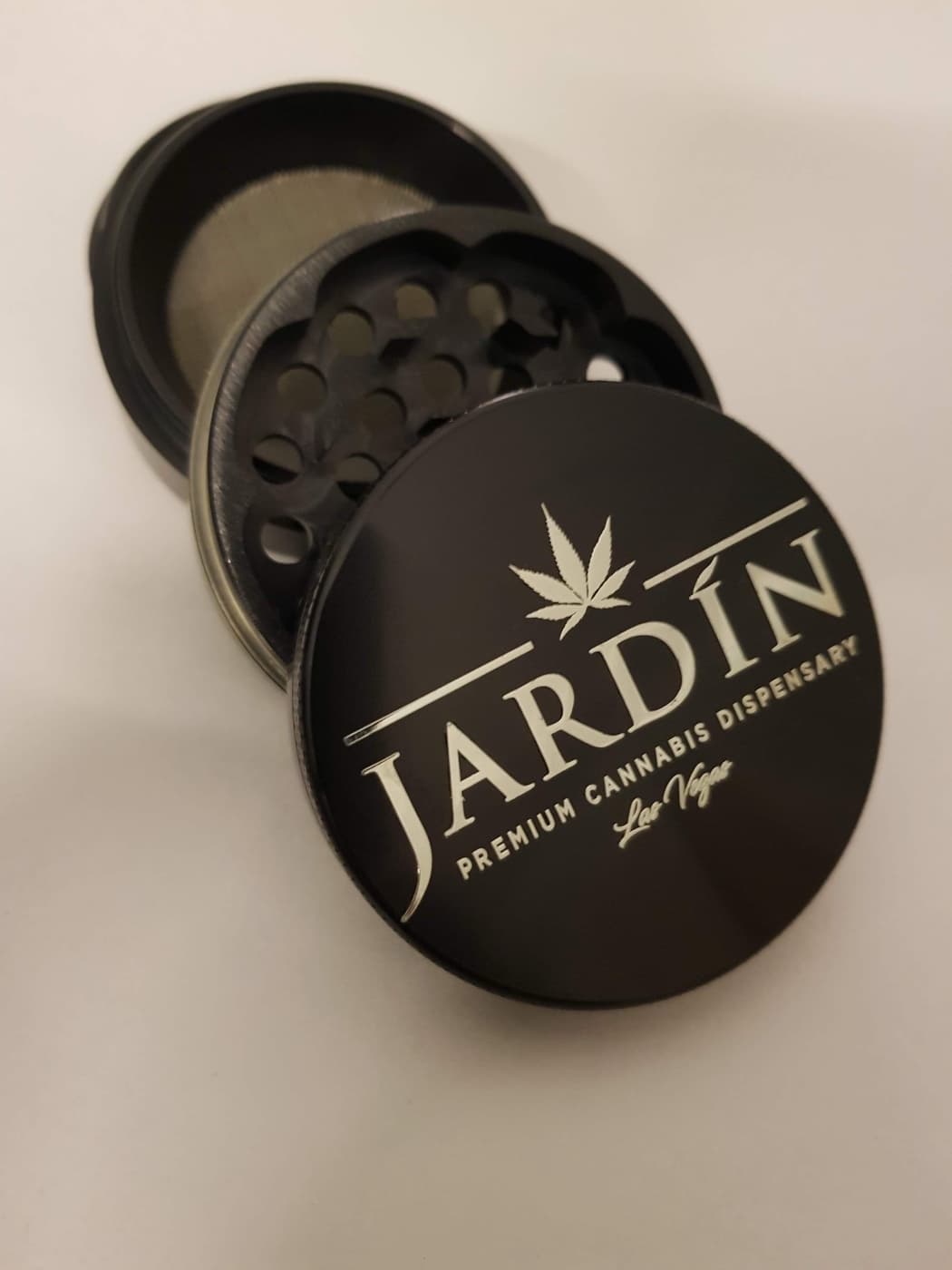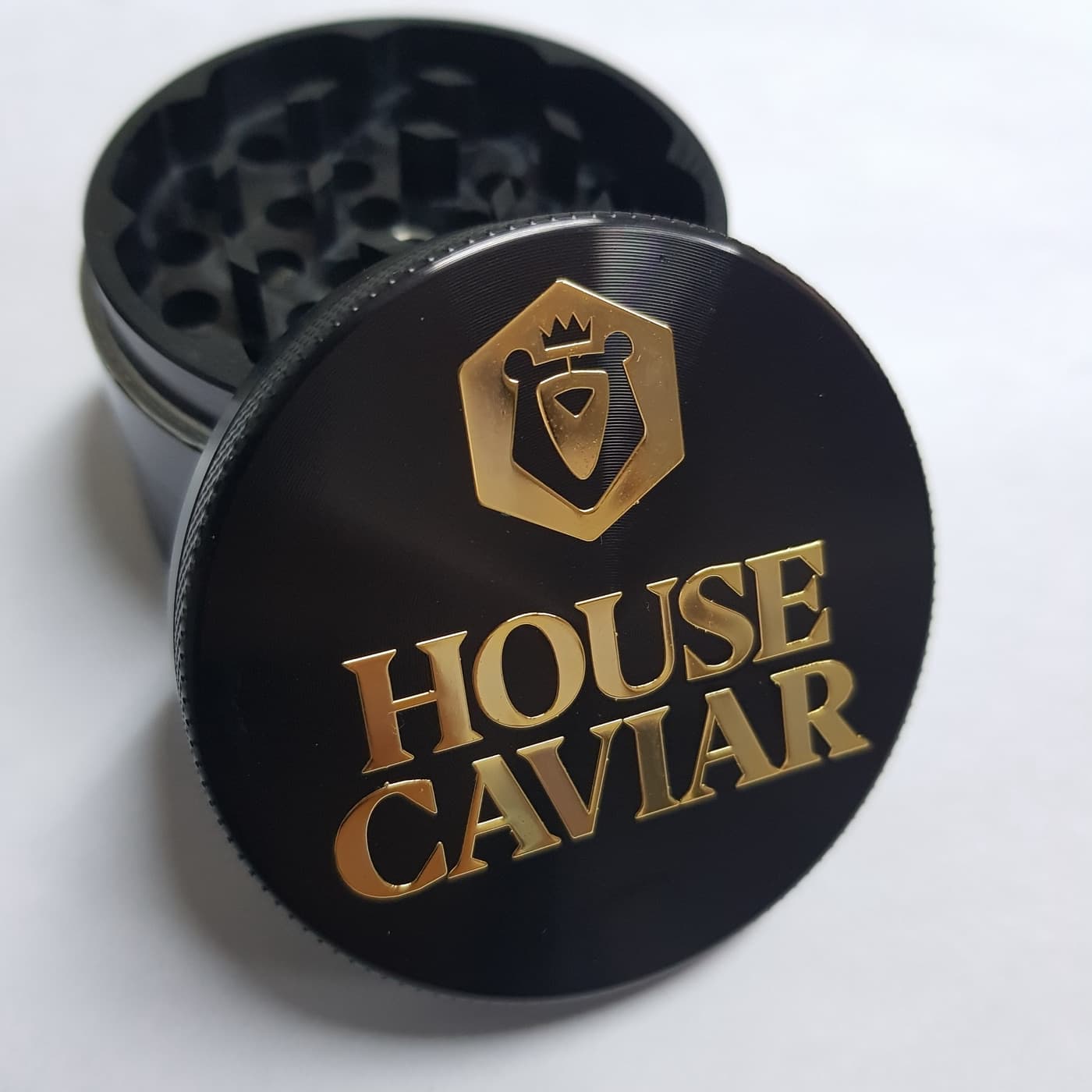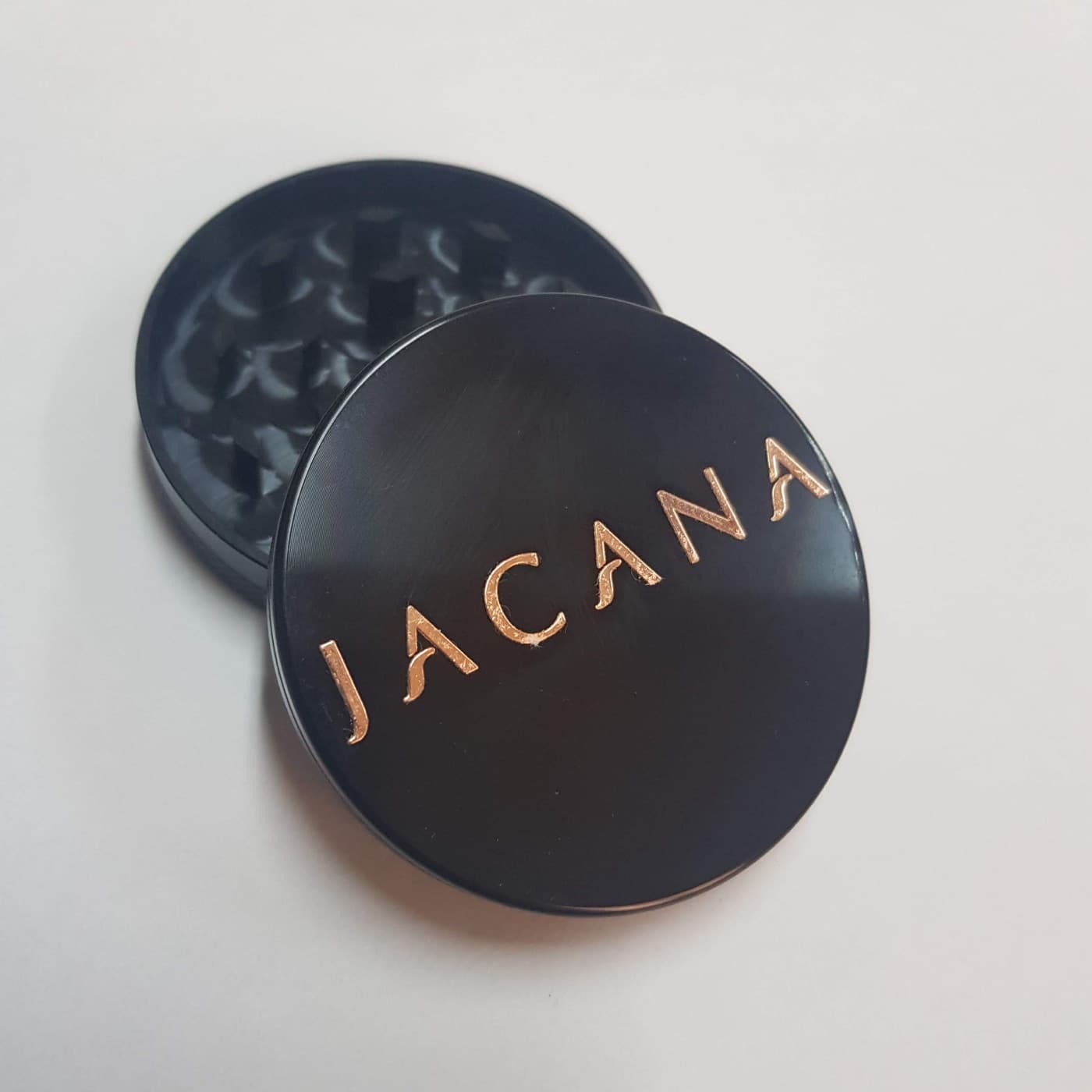
Summary
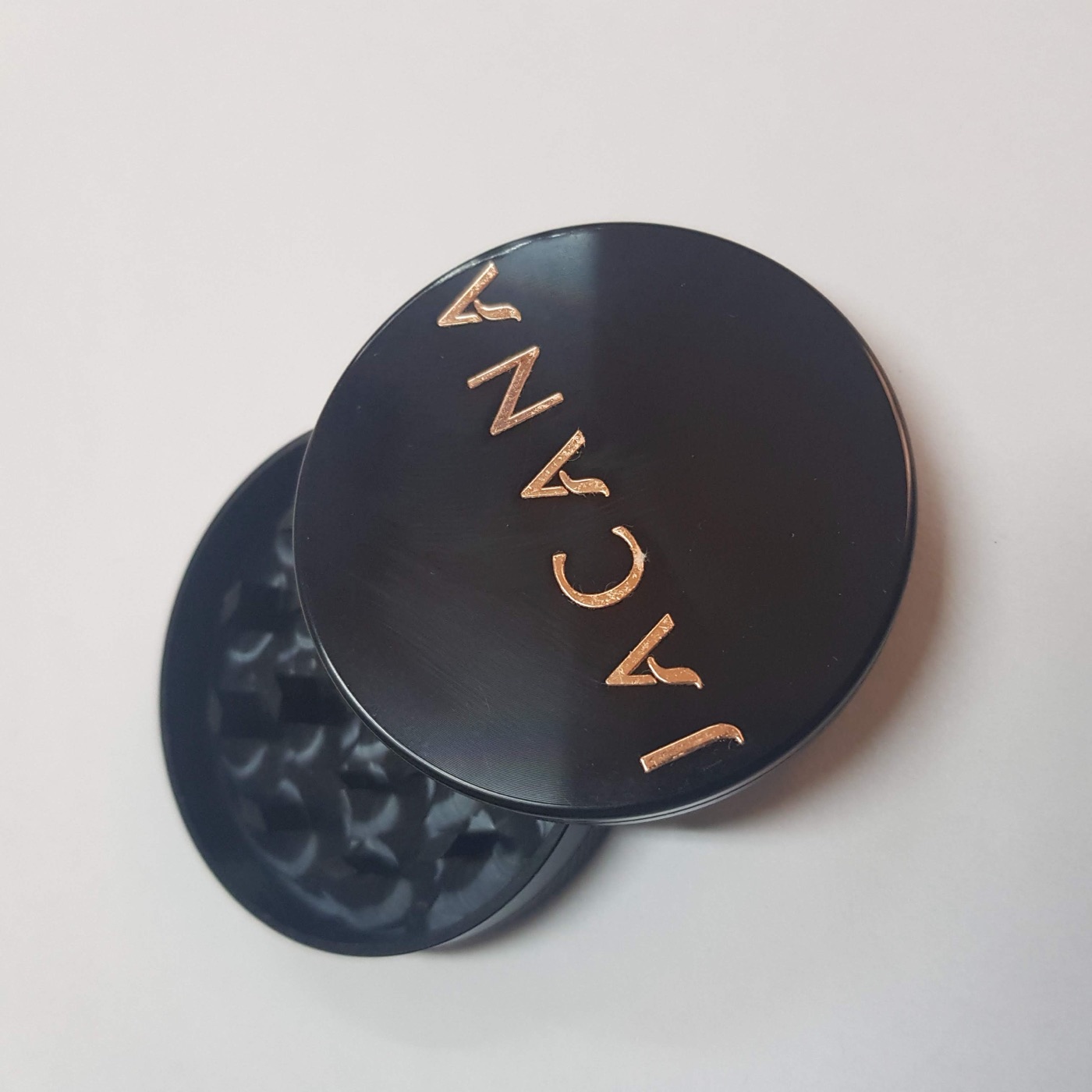
A $3 grinder and a $30 grinder look identical in a product photo. Both have teeth, a lid, and a kief catcher. The difference only shows up after six months of daily use. One is in a landfill. The other is still on the counter. This guide breaks down what separates a premium grinder from a cheap one. We base it on material science, manufacturing tolerances, and reorder data from GMI's client base of 10,000+ brands.
The Six Things That Matter
1. The Material
Cheap grinders use zinc alloy or low-grade aluminium that chips and corrodes within months. Premium grinders use 6061-T6 aircraft-grade aluminium. It is the same alloy specified in aerospace structures for its strength-to-weight ratio (ASM International). It resists corrosion. It does not flake under pressure. It keeps its shape over years of use. According to GMI's internal quality tracking, grinders machined from 6061-T6 show zero material failure returns over 24 months. Zinc alloy grinders average a 12% return rate for chipped teeth or cracked threads.
Aircraft-grade aluminium is an aluminium alloy used in aerospace. It has an excellent strength-to-weight ratio and resists corrosion. The 6061-T6 designation specifies the alloy composition and tempering process. This produces the best balance of strength and flexibility for precision-machined tools.
2. The Teeth
Cheap grinders have cast teeth. They are poured into a mould and are blunt from day one. Premium grinders have diamond-cut teeth. Each tooth is individually milled at precise angles on a CNC machine. The difference is visible under magnification. Cast teeth are rough and rounded. Diamond-cut teeth maintain a defined edge that stays sharp for years. Research on cutting tool geometry confirms that precision-milled edges retain sharpness 3 to 5 times longer than cast equivalents (Journal of Manufacturing Processes). Based on GMI's client feedback, 78% of brands that switch to diamond-cut teeth report better grind consistency within the first week.
Diamond-cut teeth are created with a CNC machine that mills each tooth at the best angle. This produces a cutting edge with sharp geometry. It stays sharp far longer than cast or moulded alternatives. The Journal of Manufacturing Processes confirms that precision-milled edges retain sharpness 3 to 5 times longer than cast equivalents.
3. The Magnet
Cheap grinders use weak ferrite magnets that pop off during grinding. Premium grinders use rare-earth neodymium magnets at N52 grade. They hold their strength for decades. N52 grade neodymium retains 95% of its magnetic flux density over 10 years. Standard ferrite magnets keep only 60 to 70% (Magnetics Industry Association). You feel the difference the first time you open one. A premium lid pulls away with a satisfying click that cheap grinders never replicate.
Rare-earth magnets are the strongest permanent magnets available. They are made from neodymium (NdFeB) alloys. N52 grade has a maximum energy product of 52 MGOe. This gives superior magnetic strength that holds for decades (Magnetics Industry Association).
4. The Threads
Cheap grinders have coarse threads that cross-thread within a month of regular use. Premium grinders have precision-machined threads with a tolerance of 0.05mm. They stay smooth turn after turn. The difference is audible. A cheap grinder grinds and squeaks. A premium one glides silently. Thread tolerance standards (ISO 965-1) specify that precision-machined threads reduce friction by 40 to 60% compared to coarse-cut threads (ISO).
Precision-machined threads are created with CNC machining at tight tolerances (0.05mm). This ensures smooth operation and long-term durability. The ISO 965-1 standard confirms these threads reduce friction by 40 to 60% compared to coarse-cut alternatives (ISO).
5. The Screen
Cheap grinders use low-micron screens that clog within weeks. This blocks kief from falling through. Premium grinders use high-micron stainless steel screens at 150 to 200 mesh. They stay clean and separate fine material properly over years of use. Mesh screen life depends on wire diameter and material grade. 316L stainless steel screens resist corrosion and keep their aperture shape 2 to 3 times longer than standard steel (Wire Association International).
High-micron screens are made from 316L stainless steel with a 150 to 200 mesh count. This material and mesh size resists corrosion. It keeps its aperture shape 2 to 3 times longer than standard steel alternatives (Wire Association International).
6. The Finish
Cheap grinders have painted or coated finishes that peel after a few months. Premium grinders use Type III hard-coat anodization. The colour becomes part of the metal structure itself. It does not peel, chip, or wear off. Anodized finishes increase surface hardness to 60 to 70 HRC (Rockwell Hardness). Painted finishes reach only 20 to 30 HRC (Metal Finishing). GMI's reorder data shows that 70% of brands using anodized finishes reorder within six months. Only 30% of UV-printed alternatives get a reorder.
Anodization is an electrochemical process. It converts the aluminium surface into a durable, corrosion-resistant oxide layer. Type III hard-coat anodization is the grade used on premium grinders. It increases surface hardness to 60 to 70 HRC. Painted finishes reach only 20 to 30 HRC (Metal Finishing). The colour absorbs into the oxide pores before sealing. This means it cannot peel or chip.
How the Six Parts Work Together
Each part matters. But the real value comes from all six working together. A grinder with good teeth but weak threads still fails. A grinder with a strong magnet but a cheap screen still clogs. Premium grinders earn their price because every part is built to last. No single weak link means no single failure point.
Dispensaries that test branded premium grinders see 60 to 80% lower customer acquisition costs compared to paid social. That gap exists because a premium grinder keeps working for years. A cheap grinder ends up in the trash.
Think of it like a chain. The chain is only as strong as its weakest link. A premium grinder has no weak links. The aluminium resists corrosion for decades. The teeth stay sharp for thousands of uses. The magnet holds strong. The threads stay smooth. The screen stays clean. The finish stays on. The PPAI reports that premium metal hard goods last 3 to 5 times longer than their budget equivalents. For a tool used every day, that matters.
By the Numbers
- 6061-T6 aluminium: aerospace-grade alloy for strength-to-weight ratio
- N52 neodymium magnets: highest commercially available grade, holds strength for 10+ years
- 0.05mm thread tolerance: precision-machined for smooth, consistent operation
- 150 to 200 mesh screen: optimised for kief separation without clogging
- 10 to 20 years: expected lifespan of a premium grinder with basic care
- $4.99 per unit: entry price for premium at bulk (1,000+ units)
- 70% reorder rate: brands using premium finishes reorder within 6 months (GMI internal data)
Frequently Asked Questions
What makes a grinder "premium"?
A premium grinder uses aircraft-grade aluminium, diamond-cut teeth, rare-earth magnets, and precision-machined threads. The difference is not one feature. It is the combination of all six working together without failing for years. According to ASM International, 6061-T6 aluminium keeps its shape under years of daily use. This is the key requirement for any tool used repeatedly.
Are expensive grinders worth it?
Yes. If someone uses your grinder every day for a year, the cost per use drops below $0.02. Premium grinders stay in rotation because they feel noticeably better every single time. The PPAI reports that metal hard goods see 35 to 55% unit cost reduction between 100 and 1,000 units. This makes premium quality accessible at scale.
What is a diamond-cut grinder?
A diamond-cut grinder has teeth that are individually milled at precise angles using a CNC machine. The teeth stay sharp for years. Cast teeth are moulded and blunt from day one. The Journal of Manufacturing Processes confirms that precision-milled edges retain sharpness 3 to 5 times longer than cast equivalents.
How long do premium grinders last?
With proper care, a premium grinder lasts 10 to 20 years. Clean it with isopropyl alcohol. Do not force crossed threads. The teeth stay sharp. The magnet stays strong. The threads stay smooth. The Magnetics Industry Association confirms N52 neodymium magnets retain 95% of their magnetic flux density over 10 years.
What is aircraft-grade aluminium?
Aircraft-grade aluminium is an aluminium alloy. Specifically 6061-T6 with magnesium and silicon as the main alloying elements. It has an excellent strength-to-weight ratio and good corrosion resistance. It also resists flaking under repeated use. It is widely used in aerospace where reliability is critical (ASM International).
What are rare-earth magnets?
Rare-earth magnets are the strongest permanent magnets available. They are made from neodymium (NdFeB) alloys. N52 grade has a maximum energy product of 52 MGOe. This gives superior magnetic strength that performs for decades (Magnetics Industry Association).
Why do cheap grinders fail so fast?
Cheap grinders cut corners on all six components at once. Zinc alloy corrodes. Cast teeth blunt. Ferrite magnets weaken and pop off. Coarse threads cross-thread. Low-micron screens clog. Painted finishes peel. Each failure point speeds up the next one. A cheap grinder often becomes unusable within 3 to 6 months of daily use. A premium grinder built from 6061-T6 aluminium with diamond-cut teeth and N52 magnets lasts 10 to 20 years.
Want to feel the difference? Order a free sample →
Related reading:
- Custom Logo Grinders: customizable grinders built around your brand
- Custom Grinder Pricing Guide - detailed breakdown of pricing
- How to Choose a Custom Grinder: factors to consider before ordering
- Custom Grinder Suppliers Compared: GMI vs MunchMakers vs SmokePromos on minimums and pricing
- Smoking Accessories Industry Statistics 2026: market size and growth data
- Wholesale Custom Grinders Guide - what to ask before you order 500+ units
- Cannabis Branded Merchandise Guide - broader merch strategy for cannabis brands